Because They Can’t Tell You When It Hurts
Pets are masters at hiding pain. Whether it’s a dog wagging its tail despite discomfort or a cat quietly withdrawing to a corner, our furry friends often suffer silently.
That’s why every pet parent needs to be a little bit of a detective — spotting subtle signs that something isn’t right.
Here, in this guide, we’ll walk you through the most common health issues in pets, the symptoms they suffer from, the warning signs you should never ignore, and when it’s time to call your vet.
1. Changes in Appetite or Thirst
If your pet suddenly refuses to eat food or begins drinking excessively, it’s often the first sign that something’s wrong.
Possible Causes
- Loss of appetite: dental pain, infection, stress, or digestive issues
- Increased thirst: diabetes, kidney disease, thyroid problems, or medication side effects
Tip: Track your pet’s eating and drinking habits weekly. Even small changes can reveal early warning signs of illness.
2. Digestive Upsets: Vomiting, Diarrhea, and Constipation
Occasional stomach issues can happen in your furry pal, which you can help alleviate by giving them some supplements or digestive pills. But if your pet vomits repeatedly, has persistent diarrhea, or strains to poop, it’s time for concern.
Watch for:
- Blood in stool or vomit
- Bloating or a hard abdomen
- Dehydration (dry gums, lethargy)
- Diarrhea lasting more than 24 hours
When to Call the Vet:
If vomiting or diarrhea lasts more than a day, or your pet shows signs of weakness, it could be a serious infection or blockage. So, it is the peak time to schedule a vet visit and start treatment.
3. Lethargy and Low Energy
A normally playful pet becoming unusually quiet or inactive is a red flag. If they are just sleeping the whole day or not being playful, then it is high time to look into the matter.
Common Causes:
- Infection or fever
- Pain or injury
- Anemia or metabolic issues
- Depression or stress (especially after travel or a household change)
Pro Tip: If your pet seems ‘off’ for more than 24 hours — not playing, eating, or engaging — schedule a vet check.
4. Dental Issues: Bad Breath Is More Than Annoying
Persistent bad breath isn’t just about hygiene — it can signal tooth decay, gum disease, or internal illness.
Warning Signs:
- Foul breath
- Drooling or pawing at the mouth
- Difficulty eating or chewing
- Swollen or bleeding gums
Prevention Tip: Brush your pet’s teeth several times a week and schedule annual dental cleanings to prevent serious infections.
5. Eye and Ear Problems
Eyes and ears are sensitive indicators of your pet’s health. Most of the time, they may not seem to be a problem, but when you can figure out that there is something more unusual than the normal state of their eyes and ears, it is time to consider.
Eye Warning Signs:
- Redness or cloudiness
- Discharge or crusty buildup
- Squinting or rubbing eyes
Ear Warning Signs:
- Head shaking or scratching
- Bad odor or wax buildup
- Discharge or swelling
Home Tip: Clean ears gently with a vet-approved solution once a week — but avoid inserting anything deep into the ear canal.
In case you find your furry pal scratching the ears excessively, or you can see the pus oozing out, then it is high time that you put your furry friend on the vet’s table, taking the appointment.
6. Skin, Coat, and Itching Issues
A healthy pet’s coat should be shiny, soft, and free from bald patches or flakes.
Constant scratching, licking, or biting can point to allergies, parasites, or infections. Sometimes, skin conditions behind the ears or around the neck may seem to be ignored, as they may not be noticeable easily.
Common Causes:
- Fleas, ticks, or mites
- Seasonal or food allergies
- Skin infections (yeast, bacterial)
- Hormonal imbalances
When to Seek Help:
If itching lasts more than 2–3 days, or if you notice scabs, hair loss, or open wounds, your vet should check for underlying causes.
7. Breathing Problems or Coughing
Labored breathing, persistent coughing, or wheezing are never normal — even if your pet seems otherwise fine.
Possible Causes:
- Kennel cough or respiratory infections
- Heart disease
- Allergies or asthma
- Foreign objects in the throat
Emergency Alert:
If your pet is gasping, has blue gums, or can’t catch their breath — go to the emergency vet immediately.
8. Mobility and Joint Issues
Difficulty climbing stairs, limping, or stiffness after rest can indicate arthritis, hip dysplasia, or injury. If they are not playful than usual, or prefer not to go on walks, you must take the matter seriously.
What to Do:
- Maintain a healthy weight to reduce joint strain
- Provide joint supplements (glucosamine, chondroitin)
- Use ramps or non-slip mats for comfort
Tip for Senior Pets: Regular, low-impact exercise like walking or swimming helps maintain mobility and circulation.
9. Behavioral Changes: The Silent Communicator
Behavior changes often reveal health issues before physical symptoms appear. Barking or puffing continuously, hiding in the corners, or littering the floor is not the normal sign that you can ignore.
Look Out For:
- Hiding or aggression
- Excessive vocalization
- House-soiling or sudden fear
- Changes in sleep patterns
These can point to pain, cognitive decline, anxiety, or hormonal imbalance. Always rule out medical causes before assuming it’s behavioral.
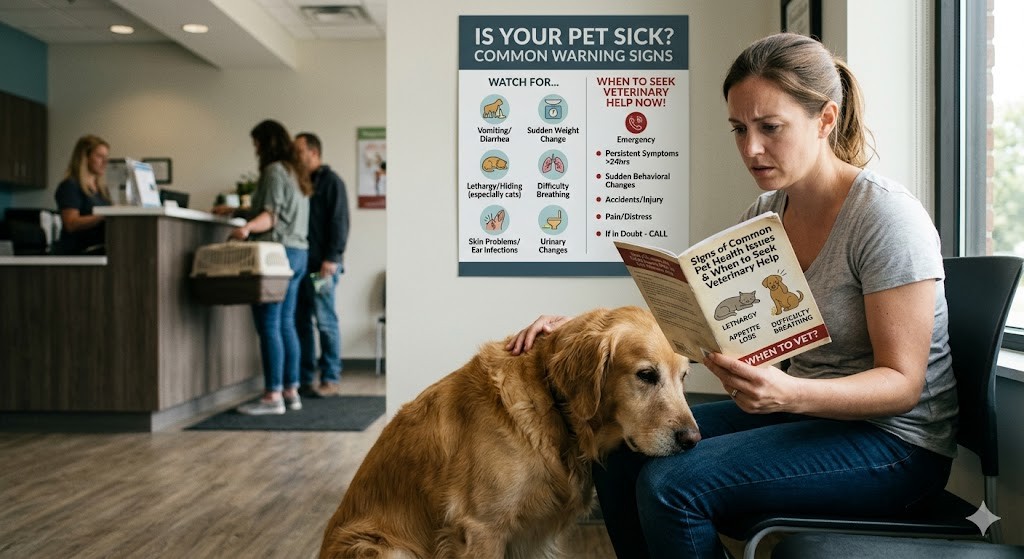
10. When to Seek Veterinary Help Immediately
If you ever notice these symptoms, contact a vet right away:
- Trouble breathing or severe coughing
- Repeated vomiting or diarrhea with blood
- Seizures or collapse
- Inability to urinate or defecate
- Pale gums, extreme lethargy, or sudden and extreme behavior change
Remember: It’s always better to overreact than overlook. Early intervention can save your pet’s life. As the saying goes, act before it gets worse.
Conclusion: You Know Your Pet Best
No one understands your pet’s quirks, moods, or habits better than you do. That’s your biggest advantage in catching early signs of illness.
By combining observation with regular vet checkups, good nutrition, and daily love, you’ll ensure your pet lives not just longer — but healthier and happier.
Because at the end of the day, preventative care is more than medicine — it’s love in action.