
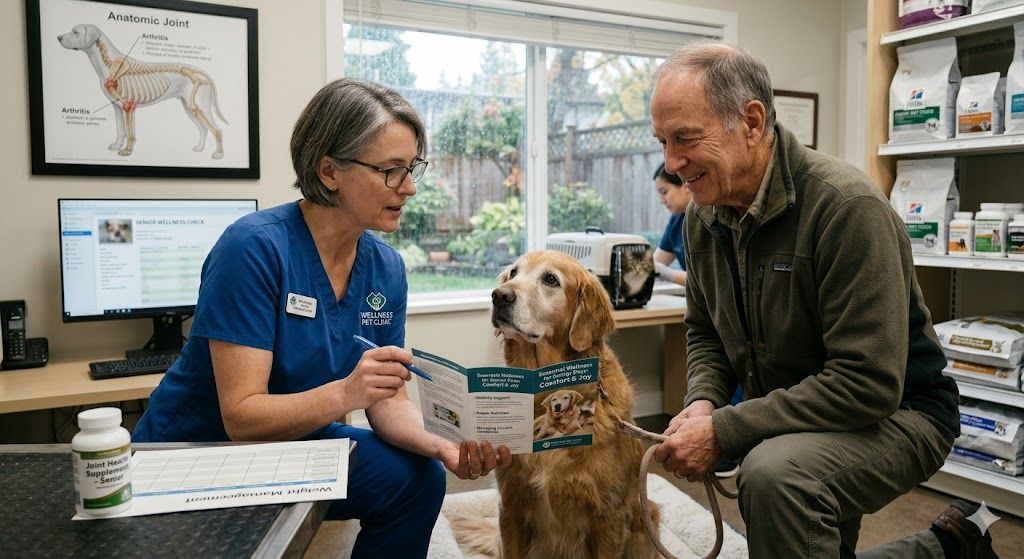
Because Golden Years Should Be Glorious
When your pet starts slowing down, it’s not the end of their adventure—it’s just a softer, wiser chapter. Those greying whiskers, slower walks, and longer naps don’t mean life has to dim. In fact, with the right care, these years can be the most rewarding. Senior pets bring an unmatched calmness, loyalty, and love that deserve to be celebrated with comfort, compassion, and advanced care.
Today’s pet care technology and holistic wellness practices have revolutionized how we support aging companions. From joint health to cognitive stimulation, it’s time to elevate senior pet care—because they’ve given us their best, and they deserve nothing less.
1. Understand the Senior Stage
Pets, like humans, age differently. Generally, cats and small dogs are considered ‘senior’ at around 7–10 years, while larger breeds may reach this stage sooner. Aging brings subtle physical and behavioral changes—stiff movements, cloudy eyes, slower metabolism, or altered appetite. Recognizing these signs early helps tailor a preventive care plan that ensures ongoing comfort and vitality.
2. Regular Vet Visits Are Non-Negotiable
Annual or biannual vet visits become essential during your pet’s senior years. These checkups help monitor:
- Joint health and arthritis signs
- Heart and kidney function
- Dental and oral hygiene
- Weight and metabolic balance
Advanced diagnostic tools like blood panels, ultrasounds, and mobility assessments can detect issues before they escalate. Early detection means more treatment options and a better quality of life.
3. Nutrition for Longevity
Senior pets need nutrient-dense, easily digestible diets with an emphasis on:
- High-quality protein for maintaining muscle mass
- Omega-3 fatty acids for joint and brain health
- Antioxidants to combat inflammation and boost immunity
- Controlled calories to prevent obesity
Ask your vet about supplements like glucosamine, chondroitin, or fish oil to support joint mobility and cognitive health.
4. Keep Them Moving—Gently
Exercise keeps the heart strong and joints flexible, but moderation is key. Try:
- Short, frequent walks instead of long hikes
- Gentle swimming (especially for arthritic dogs)
- Puzzle toys or scent games to keep their mind active
Even five minutes of play can lift their spirits and keep muscles toned.
5. Create a Senior-Friendly Home
A few tweaks can make everyday life easier for your older companion:
- Add non-slip mats on smooth floors
- Use orthopedic beds for joint support
- Install pet ramps to access beds or cars
- Keep essentials—food, water, toys—on one level of the home
Small comforts can drastically reduce stress and strain.
6. Don’t Neglect Dental and Vision Health
Dental pain can affect appetite and mood, while vision decline can make pets anxious. Regular teeth cleaning, vet dental checks, and good lighting in familiar spaces help your pet feel secure and pain-free.
7. Prioritize Emotional Wellness
Senior pets crave stability and affection. Keep a predictable routine, gentle interactions, and lots of reassurance. Engage in calm bonding moments—like slow petting, quiet walks, or simply sitting together.
For pets with anxiety or confusion (common in cognitive decline), try music therapy, calming pheromone diffusers, or soothing massage techniques.
8. Consider Alternative Therapies
Modern veterinary care embraces holistic approaches such as:
- Acupuncture for arthritis pain
- Laser therapy for inflammation
- Hydrotherapy for mobility
- Herbal supplements to support organ health
These integrative treatments can complement conventional medicine beautifully.
9. Celebrate Their Legacy Every Day
Your pet’s golden years are about cherishing small joys—slow walks, warm cuddles, and shared sunsets. Capture photos, make memories, and honor their journey. Senior pets may move more slowly, but their hearts love just as fiercely.
Conclusion: Love That Adapts, Care That Elevates
Aging isn’t a decline—it’s a transition into a gentler rhythm of life. With thoughtful care, advanced wellness practices, and unshakeable love, you can make your pet’s later years comfortable, fulfilling, and joyful.
Because senior pets don’t need sympathy—they need upgraded love, smarter care, and a home that honors their years of devotion.