Climate change isn’t just about melting ice caps or hotter summers — it’s about our furry friends too. 🐾
From rising temperatures to unpredictable weather swings, the planet’s shifting climate is quietly changing the way pets live, play, and stay healthy.
If you’ve noticed your dog panting more during walks or your cat lounging in the shade more than usual, it’s not your imagination — it’s adaptation. Let’s explore how climate change affects pet health and what you can do to keep your companions safe, cool, and thriving.
🌡️ 1. Rising Temperatures: The Hidden Heat Hazard
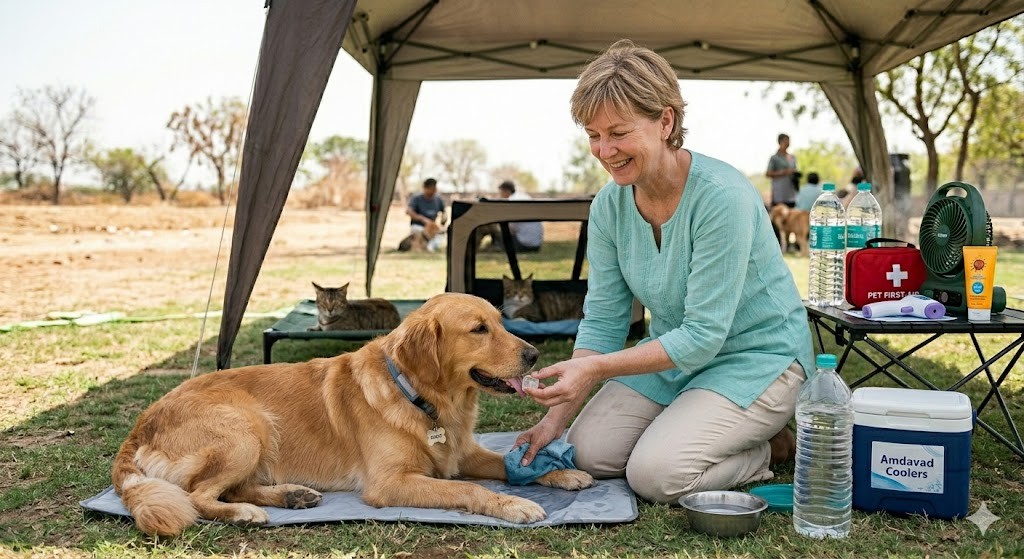
Heat is one of the biggest threats pets face in a warming world. It’s not only humans, but also your four-legged companions, who feel the extreme effects of heat. Unfortunately, your dogs and cats can’t sweat like humans — they rely on panting and limited sweat glands in their paws to cool off. And therefore, they are in more danger than humans.
As heatwaves become more frequent across the U.S., pets are at higher risk of:
- Heatstroke — Rapid breathing, lethargy, drooling, and collapse are early warning signs.
- Dehydration — Pets can lose fluids fast in hot weather, especially during walks or car rides.
- Burnt paws — Asphalt can reach up to 140°F on a 90°F day!
These all things can be quite dangerous or at times fatal, when you fail to take up the warning or are oblivion to all the above facts. Therefore, with simple steps, you can take care of your furry pal.
Protect them:
☀️ Walk your dog early morning or late evening.
💧 Keep fresh, cool water accessible at all times.
🏡 Create shaded rest areas outdoors and never leave pets in parked cars — even for a minute.
🌧️ 2. Extreme Weather Events: Stress and Safety Risks
Hurricanes, floods, and wildfires — once seasonal — are now increasingly frequent and intense. These events affect pets both physically and emotionally.
- Displacement and trauma: Thunder, heavy rain, or evacuation situations can trigger stress, anxiety, or even PTSD in pets.
- Injuries and lost pets: During emergencies, frightened pets often escape or get injured.
Once you are aware of any alerts, get in touch with your nearby corporation for proper details and keep yourself updated. Be prepared for the unforeseen dangers due to the climatic alerts.
Protect them:
👜 Prepare a Pet Emergency Kit — include food, water, medications, leashes, ID tags, and copies of vaccination records.
📱 Microchip your pet and keep your contact info updated.
🏠 During storms, create a safe indoor space — soft bedding, calming music, and your presence can make a huge difference.
🌸 3. Seasonal Shifts: New Allergies and Pests
Warmer, longer summers mean longer flea and tick seasons — and that spells trouble.
These pests now thrive in regions where they were once rare, spreading diseases like:
- Lyme disease (ticks)
- Heartworm (mosquitoes)
- Skin infections and allergies (fleas and molds)
Even pollen seasons are extending, leading to more itchy skin, watery eyes, and sneezing among pets.
Protect them:
🐶 Use year-round flea, tick, and heartworm preventatives.
🌿 Keep your lawn trimmed and check your pet after outdoor play.
🩺 Consult your vet about allergy-friendly diets or supplements like omega-3s for skin health.
🔥 4. Air Quality and Respiratory Issues
With more wildfires and pollution, air quality in many U.S. regions is declining — and pets are inhaling the same air we do.
Cats and dogs, especially brachycephalic breeds (like pugs and Persian cats), are more prone to respiratory distress.
Protect them:
🌬️ Keep pets indoors during smoky or polluted days.
😷 Use air purifiers if possible.
🚶♀️ Avoid outdoor exercise during poor air quality alerts.
🌿 5. The Emotional Impact of Climate Change on Pets
Believe it or not, pets feel stress from environmental changes.
Sudden temperature fluctuations, less outdoor time, or chaotic weather patterns can lead to behavioral changes like:
- Restlessness
- Barking or hiding
- Loss of appetite
Protect them:
💞 Maintain a routine to give them a sense of normalcy.
🎾 Provide enrichment indoors — toys, puzzles, or gentle play.
🧘 Practice calmness — your emotional state directly affects theirs.
💚 6. How Pet Parents Can Help the Planet Too
Caring for your pet’s health goes hand in hand with caring for the environment. You can reduce your household’s pawprint by:
♻️ Choosing eco-friendly pet products — biodegradable poop bags, bamboo bowls, and organic shampoos.
🥦 Feeding sustainably sourced or plant-based pet foods.
🚰 Conserving water during baths and grooming.
🌎 Supporting local shelters and green pet brands.
Every small step helps — for both your pet’s future and the planet’s.
🐾 Final Thoughts: A Cooler, Healthier Future
Climate change may seem vast and unstoppable, but protecting your furry friend starts with small, mindful actions.
From adjusting their routines to preparing for emergencies, you can make their world safer — one paw at a time.
Our pets depend on us for care, comfort, and safety. By staying informed and proactive, we’re not just saving lives — we’re shaping a healthier, happier future for every wagging tail and purring heart. 💚