
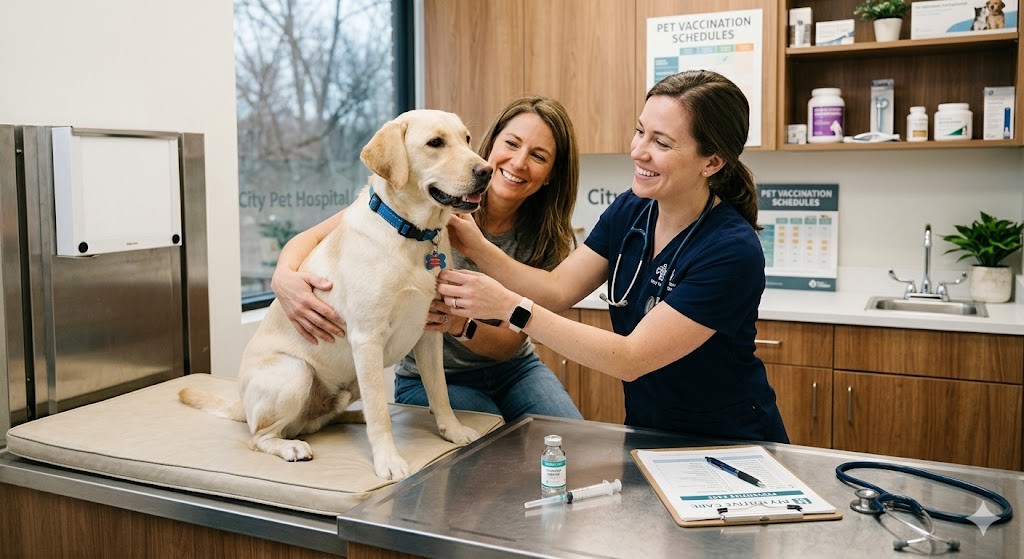
Pet Vaccinations, Checkups, and Routine Wellness
Because Prevention Is the Best Kind of Love
Every pet parent dreams of a long, joyful life with their furry (or feathered!) friend. But just like us, our furry companions thrive on care that prevents illness rather than only treating it.
Preventative care isn’t just about vet visits or vaccines — it’s a full-circle approach to health that includes diet, exercise, grooming, and emotional well-being.
In this guide, we’ll walk you through exactly how to build a year-round wellness plan for your pet — one that keeps tails wagging and whiskers twitching for years to come.
1. Vaccinations: Your Pet’s First Line of Defense
Vaccines protect your pets from serious, often life-threatening diseases — some of which can spread to humans (zoonotic diseases).
Essential Vaccines for Dogs:
| Core Vaccines | Protects Against |
| Rabies | Fatal viral disease transmitted through bites |
| DHPP (Distemper, Hepatitis, Parvovirus, Parainfluenza) | Common contagious diseases |
| Bordetella | Kennel cough, especially for social dogs |
Essential Vaccines for Cats:
| Core Vaccines | Protects Against |
| Rabies | Required by law in most states |
| FVRCP (Feline Viral Rhinotracheitis, Calicivirus, Panleukopenia) | Core respiratory and immune diseases |
| FeLV (Feline Leukemia Virus) | For outdoor or multi-cat households |
Pro Tip: Keep a vaccination record handy (digital or physical). Your vet can set up reminders so you never miss a booster shot.
2. Routine Checkups: The Annual (or Biannual) Health Reset
Even if your pet seems perfectly healthy, regular vet checkups are vital.
Most vets recommend at least one wellness exam per year for adult pets, and every 6 months for senior pets.
What to Expect During a Checkup:
- Full physical exam (eyes, ears, teeth, skin, coat)
- Weight and body condition check
- Heart, lungs, and joint evaluation
- Parasite screening and fecal tests
- Blood work for internal organ function
Why It Matters:
Early detection can make all the difference. Conditions like kidney disease, arthritis, or diabetes often show subtle signs that only a vet can catch early.
3. Nutrition and Weight Management: Health Starts in the Bowl
A balanced diet is the cornerstone of preventative care. Overweight pets face higher risks of heart disease, joint pain, and shorter lifespans.
Practical Tips:
- Choose vet-approved, species-specific diets (avoid fad ‘raw-only’ or ‘grain-free’ diets unless prescribed).
- Stick to feeding schedules and portion sizes.
- Limit treats — they should make up less than 10% of daily calories.
- Keep a monthly weight log to track changes.
Did You Know?
Even a few extra pounds can stress your pet’s joints and reduce mobility. Aim for a visible waistline and an easy rib check.
4. Parasite Prevention: Small Pests, Big Problems
Ticks, fleas, heartworms, and other worms can cause serious health issues — from skin allergies to deadly heartworm disease.
Preventative Steps:
- Use year-round flea and tick preventives (topical, oral, or collars).
- Get an annual heartworm test and put your fur baby on monthly preventive medication.
- Keep your yard clean and vacuum regularly. Use foggers regularly.
- Wash pet bedding weekly in hot water.
Vet Insight: Many owners skip winter prevention, thinking fleas and ticks won’t bother in colder months. But, reality is, ticks and fleas can survive indoors even in colder months — therefore, consistency is key. Do not pause flea, tick, and heartworm preventive for winter.
5. Dental Care: Don’t Forget the Teeth!
Dental disease affects up to 80% of dogs and 70% of cats over age three. Yet it’s one of the most overlooked areas of care. Start dental regimen as early as possible.
Daily and Monthly Habits:
- Brush your pet’s teeth 3–4 times a week with pet-safe toothpaste.
- Offer dental chews or water additives.
- Schedule professional dental cleanings annually.
Bad breath isn’t ‘normal’ — it’s often the first sign of dental disease.
6. Mental Health and Exercise: The Joy Factor
Preventative care isn’t just physical — it’s emotional too.
Pets need stimulation, structure, and love to stay mentally balanced.
Try This Weekly:
- Daily walks or playtime
- Puzzle feeders or treat toys
- Basic training refreshers
- Social interaction (dog parks, playdates, or cozy cuddles)
A tired pet is a happy pet — and a well-behaved one too!
7. Grooming and At-Home Wellness Checks
Grooming isn’t vanity — it’s vital health care. Regular brushing and bathing help spot early signs of trouble like lumps, ticks, or flaky skin.
Home Wellness Routine:
| Task | Frequency |
| Brushing | 2–3 times per week |
| Bathing | Once a month (depends on breed) |
| Nail trimming | Every 3–4 weeks |
| Ear cleaning | Once a week |
| Skin & coat inspection | Weekly |
Pro Tip: Make grooming positive — use treats and gentle reassurance to turn it into bonding time.
8. Senior Pet Care: Extra Love, Extra Attention
As pets age, their needs change. Senior care should include:
- Biannual vet visits
- Joint supplements and mobility aids
- Softer beds and non-slip flooring
- Adjusted diet for lower activity levels
Golden Years Tip: Keep your pet’s play gentle but consistent. Light exercise and love keep older pets youthful at heart.
Conclusion: Prevention Today, Happiness Tomorrow
Preventative care isn’t a chore — it’s a commitment to a longer, healthier, and happier life for your furry family. From vaccines to regular checkups, preventive medications to health supplements, balanced nutrition to mental well-being, every small act adds up to years of joy, companionship, and unconditional love.
So next time you schedule that vet visit or brush those furry teeth — remember, you’re not just maintaining health, but safeguarding from preventive diseases along with costly vet bills. Well, you’re nurturing a bond that deserves every ounce of care.