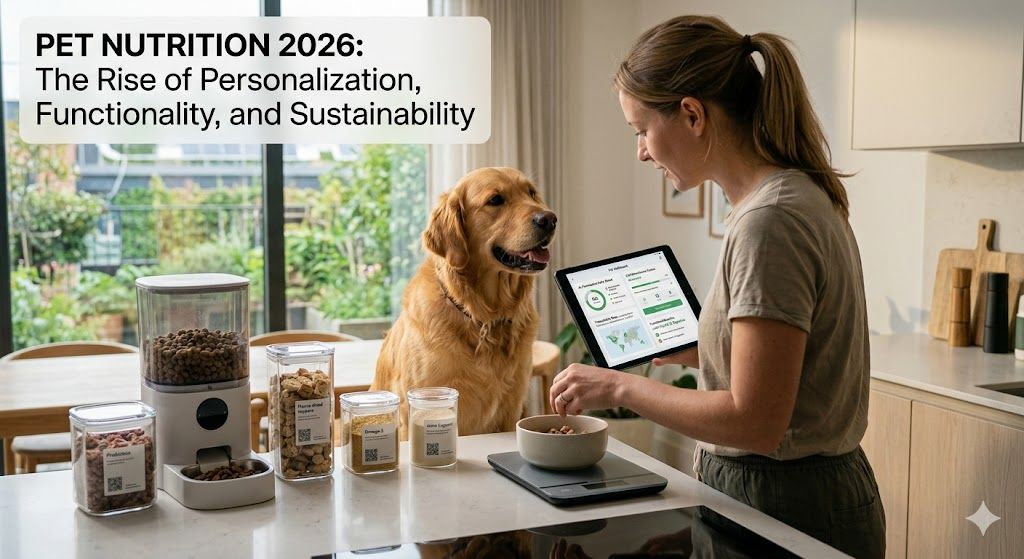
The pet food aisle is changing – quite fast. Gone are the days when dry kibble and canned mystery meat were the only options on the shelf for you to add to the shopping cart.
Welcome to 2026, where pet parents are reading ingredient labels as carefully for their furry companions as they do for themselves. From fresh, human-grade meals to organic superfoods and tailor-made nutrition plans, the future of pet food looks deliciously wholesome and completely healthy.
From Convenience to Consciousness
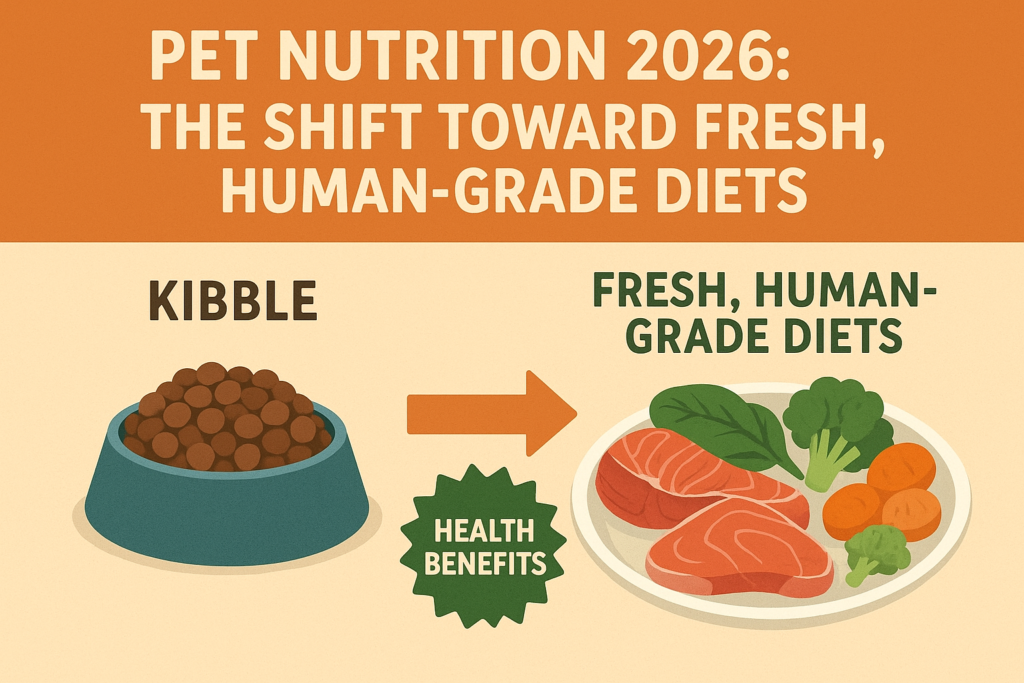
For years, kibble ruled the pet world because it was easy, cheap, and shelf-stable. But as more people began prioritizing their own health, that consciousness naturally extended to their four-legged companions.
Today’s U.S. pet owners want transparency, quality, and real nutrition — not just fillers and preservatives disguised as ‘complete meals’.
Surveys show that over 60% of pet owners in 2026 are now exploring fresh or human-grade diets, a number that’s steadily climbing as awareness spreads through social media, veterinary recommendations, and influencer-backed pet food brands.
What ‘Human-Grade’ Really Means
‘Human-grade’ isn’t just a marketing buzzword — it’s a regulated standard.
To carry that label, every ingredient must be fit for human consumption and prepared in a facility that meets FDA standards for human food production. That means no rendered meats, no by-products, and no questionable additives.
Think of it as the difference between grabbing a drive-thru burger and cooking a clean, balanced meal at home — except this time, it’s for your dog or cat.
Fresh Food: More Than Just a Trend
The idea of feeding pets fresh food has moved far beyond a fad. Companies like The Farmer’s Dog, Ollie, Nom Nom, and Spot & Tango have built entire empires on personalized, freshly cooked meals delivered straight to your door.
These meals typically include:
- Lean proteins like chicken, beef, turkey, or salmon
- Whole grains such as quinoa or brown rice
- Vegetables like spinach, carrots, and sweet potatoes
- Essential vitamins and minerals are carefully balanced for pets’ needs
The result? Meals that look and smell like real food — because they are.
Health Benefits of Human Grade Fresh Food That Speak for Themselves
Switching to a fresh, human-grade diet can have noticeable effects in as little as a few weeks. Many U.S. pet parents report:
- Shinier coats and healthier skin
- Better digestion and smaller stools
- More energy and improved mood
- Reduced allergies and sensitivities
- Weight management and stronger immunity
Additionally, veterinarians are increasingly acknowledging that the shift away from ultra-processed kibble helps reduce inflammation and chronic health issues, especially in aging pets.
Customization Is the Future
One of the biggest trends in 2026 pet nutrition is personalized meal plans. Using AI-driven assessments, companies now tailor diets based on your pet’s breed, age, weight, lifestyle, and health conditions.
Imagine your dog’s dinner being nutritionally balanced for his joint health, or your cat’s meals being customized to manage kidney support — all freshly prepared and portioned. That’s the level of sophistication pet parents can expect moving forward due to advancements in the pet health food industry, powered and driven by AI technology.
The Sustainability Factor
Modern pet owners are also thinking about planet health alongside pet health. Human-grade pet food brands are emphasizing sustainability — from eco-friendly packaging to ethically sourced ingredients.
Some companies even partner with local farms to use seasonal produce and reduce carbon footprints. It’s a win-win: healthier pets and a healthier planet, along with empowering the farmers.
What About Cost?
Yes, fresh and human-grade pet food comes with a higher price tag than traditional kibble, as there goes a lot into them. But, many pet parents see it as an investment rather than an expense; it is like their future investments – one that may reduce vet visits, medication costs, and long-term health problems.
Subscription-based models and portion-controlled packaging are helping make these diets more affordable and accessible than ever before.
How to Transition Pet Food to Your Pet Safely
If you’re ready to make the switch, take it slow. Gradual transition is key to preventing digestive upsets as there will be a shift from shallow, low-grade food to a high-end, nutritionally-rich diet.
Here’s a simple guide:
- Mix 25% of the new fresh food with 75% of the old diet for 2–3 days.
- Then move to a 50/50 mix for another few days.
- Shift to 75% new and 25% old before fully transitioning.
Always consult your vet, especially if your pet has existing health issues or dietary sensitivities. This helps you to lower the risk of any unseen health condition that may result from the transition of your furry pal’s food.
A Taste of the Future
Pet nutrition in 2026 is all about clean labels, real ingredients, and mindful feeding. It’s no longer just about keeping pets alive — it’s about helping them thrive.
As the world moves toward a more transparent and health-focused lifestyle, our pets are joining the table — quite literally. Whether you’re feeding a picky eater, an aging senior, or an energetic pup, the future of pet food is fresh, functional, and full of love.