The Air Inside Your Home Might Be Hard on Your Pet’s Lungs
When pet parents think of ‘air pollution’, they picture traffic smog or pollen clouds. But here’s the real surprise that may really shock you: indoor air can be two to five times more polluted than outdoor air, especially in homes, according to the U.S. Environmental Protection Agency.
For pets with asthma, chronic bronchitis, or flat-faced (brachycephalic) breeds like Pugs and Persians, that hidden haze can turn every breath into a challenge, leading to the most difficult day of their lives. If your cat’s cough or your bulldog’s snore never seems to ease—even when pollen counts are low—your living room air could be the culprit, without you knowing the actual reason.
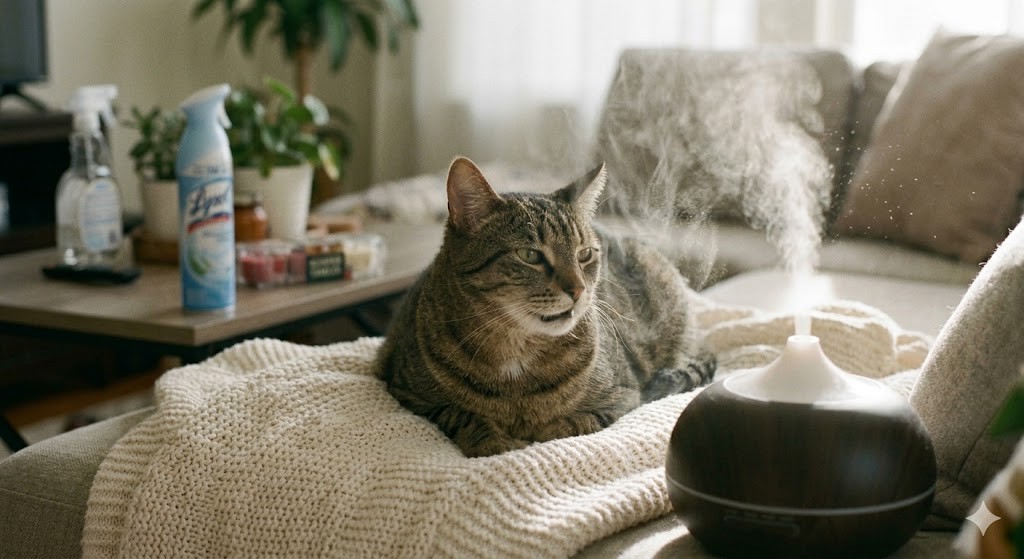
Common Indoor Air Offenders You Probably Overlook
Let’s walk through a typical home and see where invisible irritants lurk
- Kitchen Fumes and Cooking Smoke
This may seem very natural to you without any idea how these fumes fill most of the air in the home, especially during winter when we have closed confinements.
- Frying, broiling, or even toasting bread releases microscopic particles and nitrogen dioxide.
- Non-stick cookware that overheats can emit fumes that are toxic to birds and irritating to cats and dogs.
- Scented Candles and Air Fresheners
You may feel like lighting scented candles to add aroma in the room or think of spraying Freshener around the house to just nullify that bad odor. But you don’t have the least idea how these scented items, rather than adding freshness, are the real culprits.
- Paraffin candles release soot and volatile organic compounds (VOCs).
- Plug-in air fresheners or aerosol sprays add chemical fragrances that aggravate sensitive lungs.
- Cleaning Supplies and Disinfectants
Recently, this has been the talk of the town, as the research is bringing in reports that most of the chemical items used in cleaning supplies are harmful to humans. Not limited to just humans, these are definitely harmful for your furry friends, too.
- Bleach, ammonia, and strong detergents emit fumes that can inflame airways.
- Even ‘lemon-fresh’ cleaners often contain synthetic scents.
- HVAC and Dust Reservoirs
If cleaning those molds and dews is just a concern to clean once a year, then you are not doing any good to yourself and to your furry kid, too. Accumulation of algae, dew, and mold formation in damp places and humid climates is quite normal, but cleaning them regularly is also crucial for both your and your furry family’s health.
- Dusty filters, ducts, and carpets trap pet dander, mold spores, and dust mites, all of which recycle through the air every time the heat or AC kicks on.
- Secondhand Smoke and Vaping Aerosols
If you think only the people who smoke may face health hazards without any damage to people or pets around them, you are missing a lot more information. Smoking or vaping not only harms the person but also the humans and animals in the surroundings, as it is passive smoking. And, at times, it can be fatal to both people and pets.
- Cigarette smoke is a known respiratory irritant and cancer risk for pets.
- E-cigarette vapor contains fine particles and flavoring chemicals that can settle in the airways.
Action Plan: Make Every Breath Easier for Your Pet
You don’t need a lab-grade cleanroom or fumigation in your house now and then—just consistent habits and pet-safe upgrades. This gives a clean environment where the air is full of oxygen to breathe for a healthy life for both humans and their furry companions.
✔ Change HVAC Filters Religiously
- Swap filters every 30 days if you have multiple pets or a shedding season, or use high-efficiency (MERV 11–13) filters.
✔ Ventilate the Kitchen
- Use an exhaust fan when cooking and avoid Teflon at high heat.
- Consider induction cooking, which produces fewer particulates.
✔ Choose Cleaning Products Wisely
- Pick fragrance-free, pet-safe cleaners (look for the EPA Safer Choice label).
- Skip aerosol sprays; use diluted white vinegar or baking soda solutions for everyday messes.
✔ Ditch or Switch Candles and Fresheners
- Opt for beeswax or soy candles with cotton wicks if you love ambience.
- Diffuse pure essential oils only if verified safe for pets—and keep rooms ventilated.
✔ Boost Air Circulation and Purification
- Run a HEPA air purifier sized for your room, ideally one per main living space.
- Open windows daily for 10–15 minutes when outdoor air quality is good.
✔ Add Pet-Friendly Air-Purifying Plants
- Spider plant, areca palm, and bamboo palm can help absorb pollutants.
- Avoid toxic plants like lilies or pothos.
Case Study: Bella the Wheezy French Bulldog
Bella, a three-year-old Frenchie, struggled with nightly coughing fits. Her owner assumed it was seasonal allergies until a vet visit ruled that out. A home assessment revealed:
- Dust-clogged HVAC filters
- Frequent use of plug-in air fresheners
- Daily stovetop frying without ventilation
After replacing filters with a HEPA-grade version, removing air fresheners, adding a purifier, and using an exhaust fan during cooking, Bella’s coughing dropped from nightly to rare within three weeks.
Extra Tips for High-Risk Pets
- Brachycephalic Breeds: Bulldogs, Pugs, Persians, and similar flat-faced pets have narrow airways. Therefore, it is necessary that you keep your indoor temperatures cool and humidity around 40–50% to avoid extra strain.
- Asthmatic Cats/Dogs: Ask your vet about inhaler therapy and schedule annual lung function checks. You can also book regular therapy for your pet at your vet’s office.
- Senior Pets: Aging lungs clear irritants less efficiently, so upgrades in air quality matter even more. Add a room purifier that brings in the fresh air, removing the bad, stale, pollutant-rich air from the room.
Takeaway for Pet Parents
Your pet spends most of their life breathing your home’s air. By swapping a few products, tightening up maintenance, and investing in a quality purifier, you can cut indoor irritants dramatically and give your furry friend easier, healthier breathing—day and night.
Want more science-backed pet wellness guides?
Subscribe to our Pet Health & Home newsletter for monthly tips on diet, air quality, and preventative care that keep your companion thriving indoors and out.