Why This Hidden Condition Deserves Your Attention
Chronic kidney disease (CKD) is one of the most common—and most overlooked—pet health issues. In cats, studies show that up to 30% of cats over age 10 will develop some form of kidney disease. Dogs are slightly less prone but still at significant risk, especially after age seven.
The kicker? Kidney damage can progress silently for years, with no obvious signs until 75% of kidney function is already lost. Moreover, early kidney disease in pets is also a matter of great concern. By the time a pet is drinking excessively or losing weight, precious treatment time may have slipped away.
Early, Subtle Signs of Kidney Disease Most Owners Miss
Many symptoms are so mild that busy pet parents chalk them up to ‘just getting older’. Watch for:
- Increased thirst or more frequent urination (even slightly)
- Gradual weight loss or muscle thinning despite normal appetite
- Slightly dull coat or increased dandruff
- Occasional vomiting or mild nausea
- Lethargy or quieter behavior
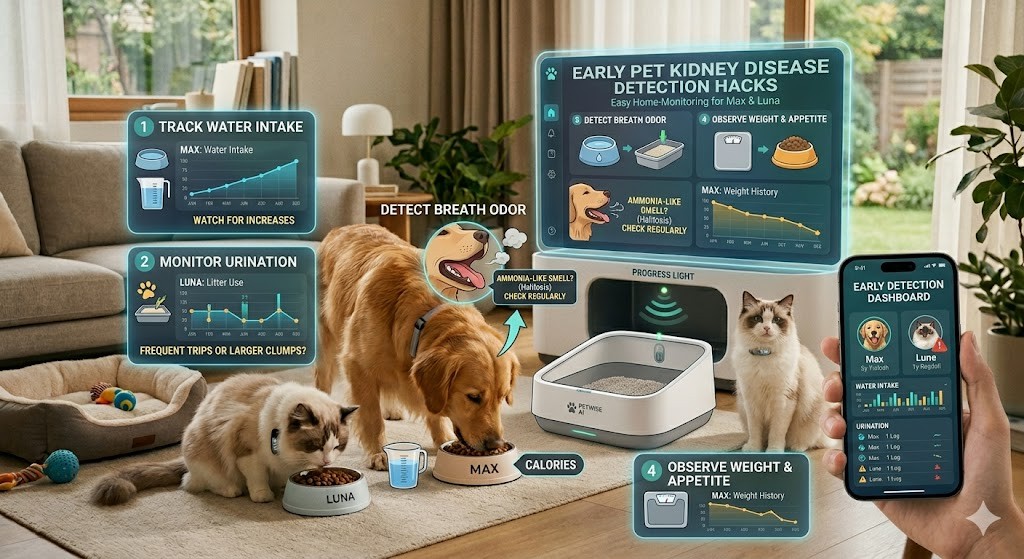
Pro Tip: Track your pet’s drinking and bathroom habits for a week every few months. A sudden bump in water intake—say, refilling the water bowl twice as often—can be an early red flag.
So, let’s find some major kidney health tips for pets here and help your furry friend lead a healthy life.
At-Home Hydration and Kidney Checks
Before you head to the vet, you can do a simple hydration check:
- Skin tent test: Gently lift the skin between your pet’s shoulder blades. If it snaps back slowly, mild dehydration may be present.
- Gum moisture: Healthy gums feel slick, not tacky or dry.
While these are not diagnostic, changes here can help you decide when to book a check-up sooner rather than later.
Ask Your Vet About Preventive Screening
Request these tests during your pet’s annual wellness exam—starting as early as age 7 for dogs and 6 for cats.
- Blood chemistry panel (BUN, creatinine, SDMA)
- Urinalysis to check urine specific gravity and protein levels
- Blood pressure measurement (high blood pressure often accompanies CKD)
The SDMA test is especially powerful. It can detect kidney changes when only 25–40% of function is lost, years before older tests show a problem.
Nutrition and Lifestyle Tweaks for Kidney Support
If early changes are detected, your vet may recommend:
- Moisture-rich diets: Wet food or adding water/broth to meals to keep kidneys flushed.
- Moderate-protein, low-phosphorus diets: Prescription renal diets can slow progression.
- Regular dental care: Gum disease can lead to kidney infections—brushing and cleanings matter.
- Encouraging drinking: Multiple water bowls, pet fountains, or ice cubes for fun hydration.
New Research to Watch
- Omega-3 fatty acids from fish oil may reduce kidney inflammation.
- Antioxidant blends (vitamin E, CoQ10) are under study for slowing cellular damage.
- Gene-based therapies and early biomarker screening are emerging, potentially transforming CKD care in the next decade.
Key Takeaways for Pet Parents
- Don’t wait for symptoms. Add kidney screening to your pet’s annual check-up after middle age.
- Log water intake and litter-box habits to catch subtle changes.
- Discuss SDMA testing with your vet—it’s the earliest, most reliable marker available.
Bottom line: Silent kidney decline doesn’t have to catch you off guard. With proactive testing and small lifestyle shifts, you can protect your cat or dog’s kidney health—and give them more happy, energetic years by your side. Kidneys have an essential role to play in keeping your pet healthy and living a better life. Therefore, taking care of your pet’s kidneys and ensuring that they are at optimal health is what pet parents need to deal with. For more kidney health in pets information, you can connect with us.