
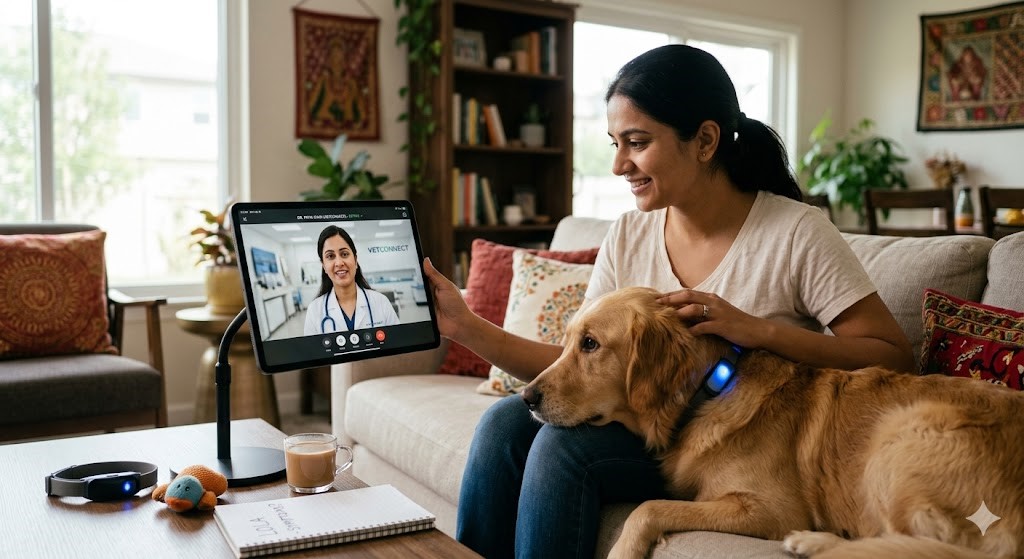
When your pet is limping, scratching nonstop, or showing odd behavior, the last thing you want is a stressful car ride and a crowded waiting room. That’s why telehealth for pets—once a niche option—is now a mainstream lifeline for pet parents. Virtual vet visits let you connect with licensed veterinarians from the comfort of your home, saving time, lowering stress, and often catching problems before they become emergencies. Here’s everything you need to know to make the most of this game-changing trend.
Why Pet Telehealth Is Taking Off
1. Less Stress for Pets and Humans
Many animals get anxious at the clinic: barking dogs, strange smells, and long waits can send heart rates soaring. A video call lets your furry friend stay calm in their safe space—while you skip the traffic and waiting room.
2. Faster Access to Care
Late-night vomiting? A sudden rash? Virtual consultations are often available on the same day or even 24/7, which means you can get professional guidance without delay at the same time.
3. Cost-Effective and Convenient
Telehealth visits typically cost less than in-clinic appointments, and you’ll save on travel time and fuel. For follow-ups, chronic conditions, or medication refills, it’s a budget-friendly option.
When Telehealth Works Best
While telemedicine isn’t a substitute for every situation, it shines in these scenarios:
- Minor Illnesses and Skin Issues – Ear infections, mild allergies, or rashes are easy to show over video.
- Behavioral Consults – Anxiety, training questions, or nutrition guidance don’t require hands-on exams.
- Follow-up Visits – Post-surgery check-ins or ongoing medication monitoring can be safely managed online.
- Preventive Care – Dietary planning, weight management, and lifestyle coaching are perfect for virtual sessions.
Important: Emergencies like severe bleeding, breathing difficulties, or trauma still require an in-person or emergency vet visit.
How to Prepare for an Online Vet Appointment
To get the most accurate advice, set yourself up for a smooth call:
- Gather Key Details: Note symptoms, duration, changes in appetite or behavior, and any current medications.
- Check Your Tech: Test your camera, microphone, and internet connection to avoid delays.
- Lighting & Space: Choose a well-lit room so the vet can see your pet clearly.
- Have Records Ready: Upload recent medical history or lab results if the platform allows.
- Keep Treats Handy: A small reward can help keep your pet calm and cooperative on camera.
Choosing a Reliable Telehealth Service
Look for platforms that:
- Employ licensed veterinarians with verifiable credentials.
- Offer secure video and data protection to safeguard your information.
- Provide clear pricing and transparent follow-up policies, including prescriptions or referrals if needed.
Popular examples include Vetster, Pawp, and Airvet in the U.S., with similar services expanding worldwide.
The Future of Pet Care
As wearable tech, AI-driven health tracking, and telemedicine converge, your pet’s care could soon be as personalized as your own. Imagine a smart collar alerting you to a change in heart rate, automatically scheduling a video consult, and syncing with your vet’s records—all before you even notice a symptom.
Bottom Line
Telehealth for pets isn’t a fad—it’s the next evolution in compassionate, convenient veterinary care. By combining expert guidance with at-home comfort, virtual vet visits give pet parents the power to act quickly and keep their companions healthier and happier. Whether it’s a midnight allergy flare-up or a routine check-in, a virtual vet might just be the most stress-free way to keep tails wagging and whiskers twitching.