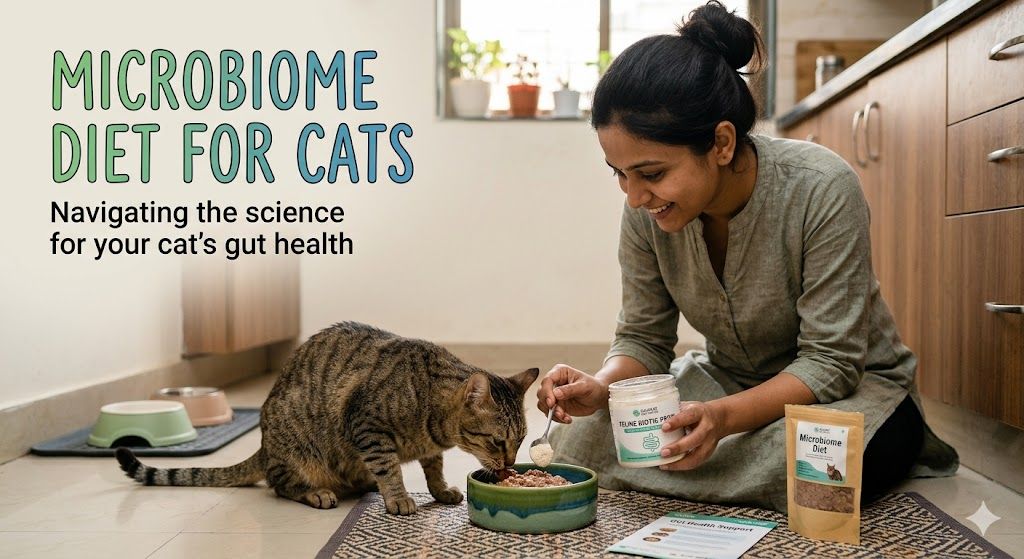
How Gut Health, Probiotics, and New Diet Trends Can Help—or Harm—Your Cat
Why Your Cat’s Gut Microbiome Matters
Inside your cat’s digestive system lives a vast community of bacteria, fungi, and other microorganisms—collectively known as the gut microbiome. Far from being ‘just stomach bugs’, these microbes:
- Aids the digestion of proteins and fats from meat-based diets.
- Supports the immune system, helping fend off infections.
- Influences mood and behavior through the gut–brain axis.
- Reduces inflammation and may lower the risk of allergies or chronic disease.
Veterinary researchers are discovering that a balanced microbiome may be as vital to your cat’s overall well-being as vaccinations and regular vet checkups.
Probiotics and Prebiotics: Friend or Fad?
You’ve probably seen probiotic powders or ‘gut health treats’ at the pet store. Here’s the lowdown:
- Probiotics are live beneficial bacteria—think Lactobacillus or Bifidobacterium—that can help restore healthy gut flora, especially after antibiotics or digestive upsets.
- Prebiotics (such as inulin or certain fibers) are food for these good bacteria, encouraging them to flourish.
When They Help:
- Cats with chronic diarrhea, irritable bowel, or after a round of antibiotics.
- Senior cats with age-related digestive changes.
When They Don’t:
- As a magic cure for obesity or unrelated skin conditions, claims that lack solid evidence.
- If given in excessive amounts or without vet guidance, it can cause gas or discomfort.
Always choose veterinary-formulated products and follow dosing instructions.
Raw and Fresh Food Trends: Risks vs. Rewards
Raw or lightly cooked ‘fresh’ diets are popular among pet parents who want a more natural approach. Supporters believe such diets:
- Provide live enzymes that aid digestion.
- Mirror a wild cat’s prey-based diet.
However, studies caution:
- Raw meat can harbor Salmonella or E. coli, dangerous for cats and humans.
- Nutrient imbalances (like too little taurine or calcium) are common in home-prepared meals.
Balanced approach: If you’re curious about raw or lightly cooked meals, work with a board-certified veterinary nutritionist. Properly formulated commercial raw/fresh diets that meet AAFCO standards are far safer than DIY recipes found online.
Building a Microbiome-Friendly Meal Plan
- Quality Protein: Cats are obligate carnivores. High-quality animal protein supports gut bacteria designed for meat digestion.
- Moisture Matters: Wet food helps maintain hydration and supports digestive motility.
- Moderate Fiber: Pumpkin or beet pulp (in vet-approved amounts) feeds beneficial bacteria without causing bloating.
- Rotate Proteins Carefully: Gradual changes prevent digestive upsets and expose the microbiome to diverse nutrients.
Practical Tips for Cat Parents
- Consult Your Vet before adding supplements or changing diet.
- Transition slowly when introducing new foods—over 7–10 days.
- Monitor Stool Quality: Firm, well-formed stools signal a healthy gut; persistent diarrhea or constipation needs attention.
- Regular Checkups: Annual wellness exams catch issues early.
Bottom Line
A healthy gut microbiome is the unseen hero of your cat’s vitality. Probiotics and prebiotics can be powerful tools, but they’re not miracle fixes. Raw diets offer potential benefits yet carry real risks without expert guidance.
By focusing on high-quality, balanced nutrition and informed supplementation, you’ll nurture a microbiome that keeps your cat’s digestion smooth, immunity strong, and whiskers happily twitching for years to come.