
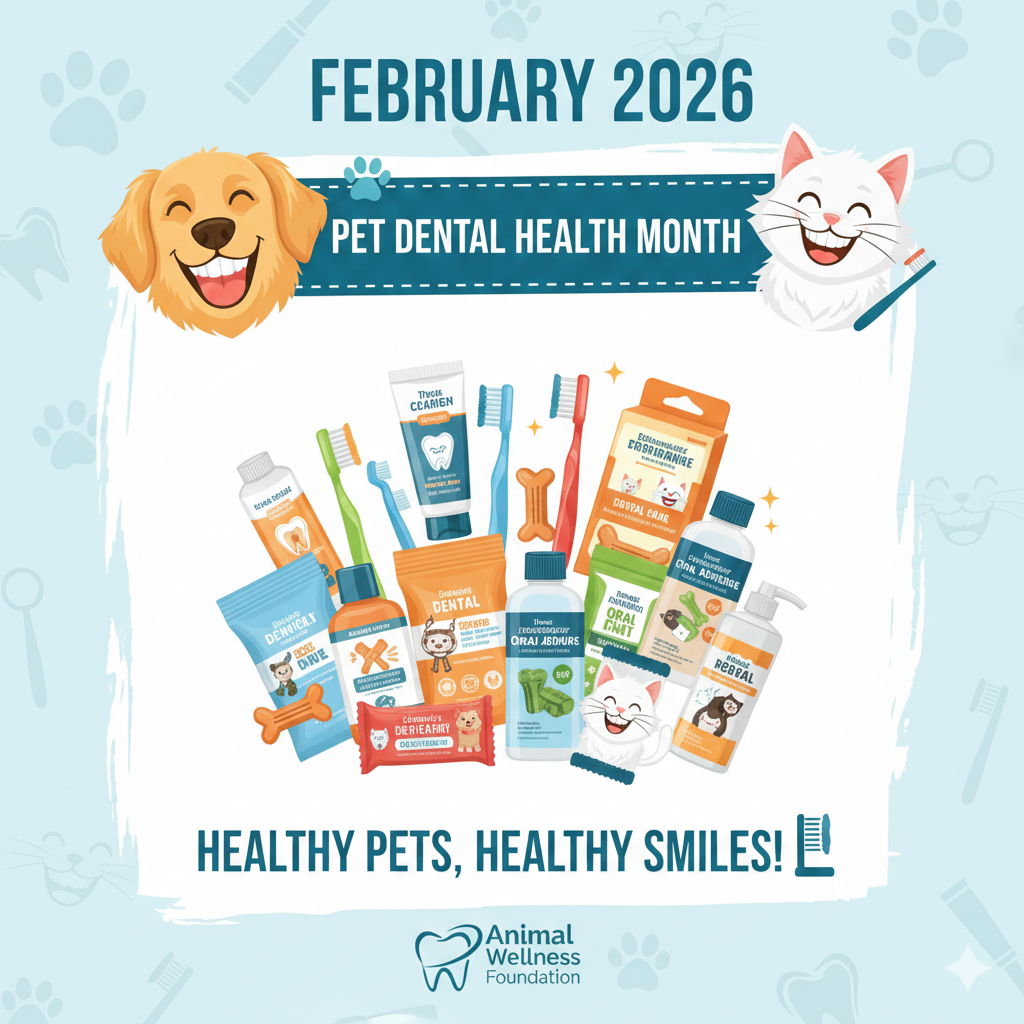
1000 times and 100 more times, we will discuss pet dental health, but how seriously are you as a pet parent about providing pet dental care to your furry companion?
If you are new to a league, then here is something for the new year to take care of your pet’s dental health. And, if not, then take a new year’s resolution to maintain your furry pal’s dental health at the optimal level throughout the year.
Before that, let’s get clear about the facts.
Did you know?
More than 80% of dogs and 70% of cats show signs of dental disease by age three, yet most pet parents don’t even realize it.
When we think about pet health, we focus on food, vaccines, exercise, and grooming. Dental care is often overlooked, yet poor oral health can silently affect your pet’s heart, kidneys, liver, digestion, and even their lifespan.
Let’s break it down simply — why dental care is crucial, common dental problems in pets, and how you can easily prevent them with brushing, dental chews, and regular vet care.
Why Pet Dental Health Is More Important Than You Think
Your pet’s mouth is a gateway to their entire body. When plaque and bacteria build up, they don’t stay limited to teeth. They enter the body without you realizing it and can cause a multitude of diseases, badly affecting your furry pal’s overall health.
Poor dental health can lead to:
- Chronic bad breath (halitosis)
- Pain while eating
- Tooth loss
- Gum infections
- Heart disease
- Kidney and liver infections
- Weak immunity
👉 Dental disease is not just a mouth problem — it’s a whole-body health issue.
Common Dental Problems in Dogs and Cats
Understanding early signs helps prevent long-term damage.
🦷 Plaque and Tartar Buildup
Sticky plaque hardens into tartar, leading to gum inflammation and infection.
🦷 Gingivitis
Red, swollen, bleeding gums — often the first visible warning sign.
🦷 Periodontal Disease
An advanced condition where gums pull away from teeth, exposing roots and causing severe pain.
🦷 Broken or Loose Teeth
Common in pets that chew hard objects or have untreated dental infections.
🦷 Oral Infections
Bacteria can enter the bloodstream, affecting vital organs.
Signs Your Pet May Have Dental Issues
Watch out for these subtle clues:
- Bad breath that doesn’t go away
- Difficulty chewing or dropping food
- Excessive drooling
- Red or bleeding gums
- Pawing at the mouth
- Yellow or brown buildup on teeth
- Sudden change in eating behavior
⚠️ Pets hide pain well — dental discomfort often goes unnoticed until it’s severe.
Myths About Pet Dental Care (Busted!)
❌ “My pet doesn’t show pain, so they’re fine.”
✔️ Pets hide discomfort — dental pain often goes unnoticed.
How Dental Care Supports Your Pet’s Overall Well-being
Good oral hygiene helps:
- Improve digestion
- Reduce inflammation in the body
- Prevent organ damage
- Enhance immunity
- Increase energy levels
- Extend lifespan
Simply put, healthy teeth = a healthier, happier pet 🐾
How to Prevent Dental Diseases in Pets (Simple and Effective)
The good news? Preventing dental issues is easier than treating them. When you take care of your pet’s dental health regularly, you don’t need to worry in the long run.
1. Regular Brushing (Gold Standard)
Brushing your pet’s teeth is the most effective way to prevent plaque and tartar buildup.
Tips for success:
- Use only pet-safe toothpaste (never human toothpaste)
- Start slowly and gently
- Aim for 2–3 times a week (daily is ideal)
- Make it a positive experience with praise or treats
👉 Even brushing a few times a week makes a huge difference.
2. Dental Chews and Treats
Not just brushing, but also another add-on that effectively helps fight bad breath and tartar/plaque build-up is dental chews/treats. These pet dental chews help reduce plaque while satisfying your pet’s natural chewing instinct. Moreover, it also helps in keeping the gum healthy at an optimal level.
Look for chews that:
- Are vet-recommended
- Have textured surfaces
- Support gum health
- Are appropriate for your pet’s size and age
⚠️ Most crucial thing to remember about pet dental chews is that these dental chews support oral care — they don’t replace brushing.
Myths About Pet Dental Care (Busted!)
❌ “Dry food cleans teeth.”
✔️ Dry food helps slightly, but it does not remove plaque completely.
3. Dental Sprays, Gels, and Water Additives
Perfect for pets that resist brushing.
- Antibacterial sprays reduce odor and plaque
- Water additives freshen breath
- Dental gels soothe gums
These are great maintenance tools, especially for senior pets.
4. Regular Veterinary Dental Checkups
Just like humans, pets need professional dental exams. Book vet visits for dental checkups regularly so that in case of any dental issue, your vet can diagnose it at an earlier stage. What you can expect in regular vet dental checkups.
Vet dental care includes:
- Oral examinations
- Professional cleaning
- X-rays if needed
- Treatment of infections or loose teeth
Annual dental checkups can prevent costly treatments later.
Myths About Pet Dental Care (Busted!)
❌ “Bad breath is normal.”
✔️ Persistent bad breath is a sign of infection.
When Should You Start Dental Care for Pets?
The earlier, the better!
- Puppies and kittens: Start gentle mouth handling early
- Adult pets: Begin preventive routines immediately
- Senior pets: Focus on comfort and professional monitoring
Dental care is not age-restricted — it’s lifelong.
Final Thoughts: A Small Habit That Makes a Big Difference
Pet dental care isn’t complicated — it just needs consistency.
By combining:
- Regular brushing
- Dental chews and oral products
- Routine vet checkups
…you protect your pet from pain, illness, and long-term health issues.
🐶🐱 A healthy smile means a healthier life — and happier years together.