
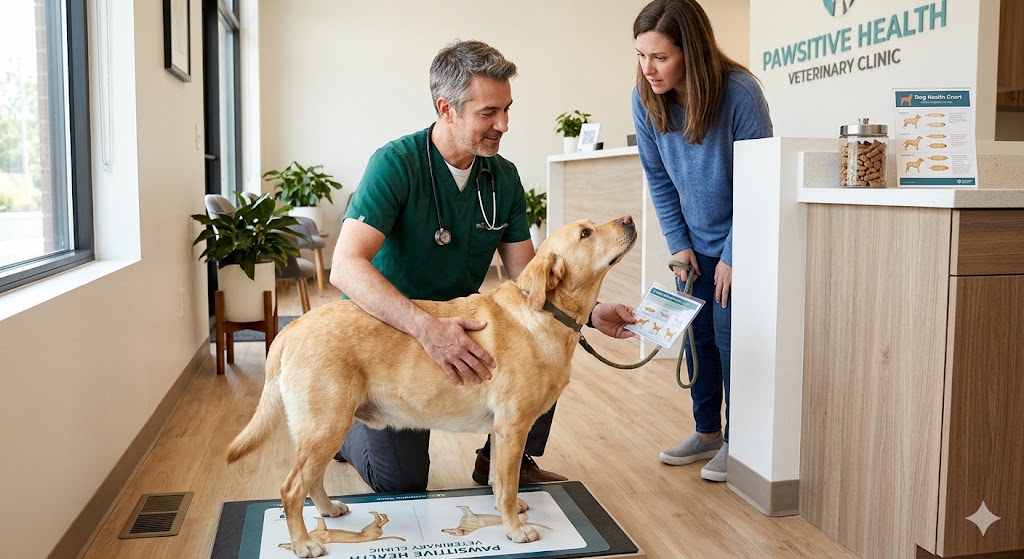
Did you know? The Association for Pet Obesity Prevention estimates over 50% of U.S. dogs are overweight or obese. Extra pounds can shave years off your dog’s life, increasing the risk of diabetes, arthritis, and heart disease.
To help pet parents navigate this growing problem, we sat down with Dr. Laura Kim, DVM, a board-certified veterinary nutritionist, for an eye-opening conversation.
Q: Why is pet obesity such a big deal?
Dr. Kim:
Think of it like this—every extra pound on a dog is like five extra pounds on a human. That added weight stresses joints, raises blood pressure, and fuels inflammation. We’re seeing arthritis and even some cancers linked to chronic obesity. Hmmm, and the thing is – it is increasing at a fast rate in recent times.
Q: How do I know if my dog is overweight?
Dr. Kim:
Use the Body Condition Score (BCS) system. Stand over your dog:
- Feel the ribs. You should feel them easily with a thin fat layer.
- Check the waist. Viewed from above, there should be a visible tuck behind the ribs. If you can’t feel ribs or there’s no waistline, it’s time to act.
Q: What’s the first step to weight loss?
Dr. Kim:
Schedule a veterinary checkup to rule out thyroid issues or other metabolic problems. Then we calculate a target weight and daily calorie goal. Never crash-diet a dog—gradual loss (about 1–2% of body weight per week) is safest.
Q: How do I control portions without a fight?
Dr. Kim:
- Measure, don’t guess. Use a kitchen scale or measuring cup. Many big brands offer ‘measuring cups’ included in their food products. I think that is the best thing you can opt for.
- Divide meals. Two or three small meals help curb begging. Rather than just feeding too much food at one time, better to break it.
- Healthy treats only. Swap biscuits for baby carrots, apple slices (no seeds), or a few kibbles taken from the daily ration.
Q: Should I switch to a ‘diet’ food?
Dr. Kim:
A high-protein, moderate-fat, lower-calorie formula works best. Look for foods labeled ‘weight management’ and ask your vet about prescription options if your dog needs extra help.
Q: What about exercise?
Dr. Kim:
Take your dog regularly for long walks. Aim for 30 minutes of brisk walking twice a day for most adult dogs. Mix in play like fetch or swimming. Start slow if your dog is severely overweight or has joint issues.
Here’s a quick veterinarian-approved checklist to help keep that flabby tummy tucked.
Quick Checklist for Pet Parents
✅ Schedule a vet exam and get a target weight
✅ Weigh and log meals
✅ Track weekly weight loss
✅ Add at least 30 minutes of activity per day
✅ Replace high-calorie treats with low-cal veggies
Your Takeaway
Pet obesity isn’t just a cosmetic issue—it’s a health crisis we can reverse. With careful portion control, regular exercise, and veterinary guidance, your furry companion can shed pounds, gain energy, and live a longer, happier life.