
– What Your Feline Isn’t Telling You
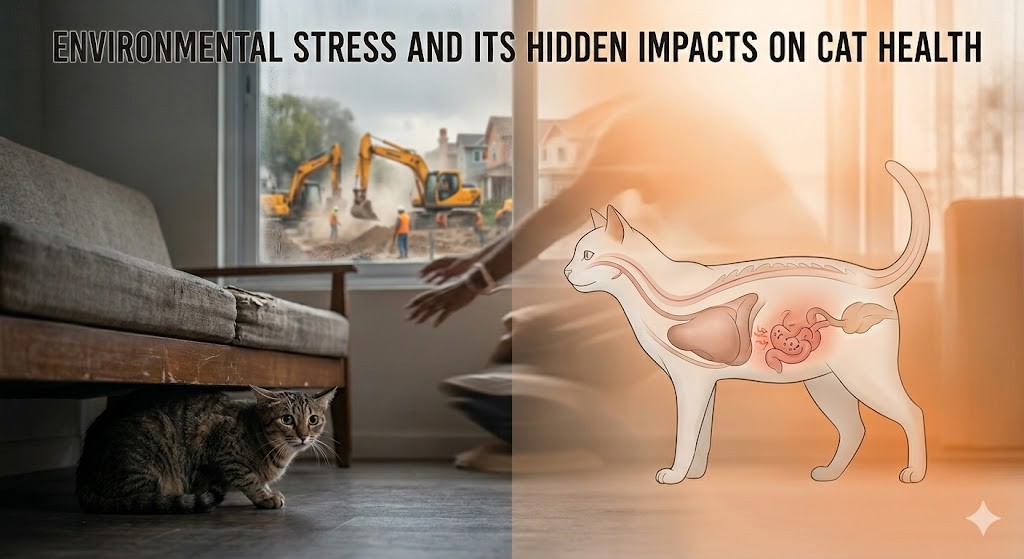
Let’s face it: cats may look like the ultimate chill masters, lounging like royalty on your couch, but don’t be fooled. Beneath that silky fur and nonchalant stare, your furry roommate is a tiny bundle of nerves—especially if their environment isn’t exactly ‘cat paradise’. Environmental stress doesn’t just make them hiss at your favorite slippers; it can affect their behavior, immune system, and even long-term health. Time to decode what stress really does to cats—and how to turn your home into their personal stress-free zone.
How Stress Affects Cats
1. Behavioral Changes
Stress can make your cat go from sweet cuddle monster to a mysterious ninja in seconds. You might notice:
- Aggression toward humans or other pets
- Excessive grooming or bald patches
- Hiding for hours on end
- Scratching furniture like it’s a personal vendetta
2. Physical and Immune Impacts
Research shows that chronic stress suppresses a cat’s immune system. This can lead to:
- Frequent urinary tract issues
- Digestive problems
- Slower healing from minor injuries
- Heightened susceptibility to infections
3. Long-Term Risks
Ongoing environmental stress may even contribute to chronic diseases, making your once-playful kitty more prone to conditions like kidney disease or inflammatory disorders as they age.
Stress-Reduction Tips at Home
You don’t need to be a cat whisperer to help your feline feel zen. Here’s how to turn your home into a stress-free haven:
1. Safe Spaces
Cats love their own territory as they wander around on their own. Give them a cozy corner, a high perch, or a quiet room where they can retreat without interruptions.
Bonus: vertical space reduces territorial conflicts if you have multiple cats.
2. Environmental Enrichment
Keep boredom (and stress) at bay with:
- Puzzle feeders to stimulate their brain
- Cat trees, scratching posts, or climbing shelves
- Interactive toys that mimic hunting behavior
3. Predictable Routine
Cats are creatures of habit. Feeding, playtime, and cleaning routines at roughly the same time every day reduce anxiety.
4. Reduce Noise and Conflict
Minimize sudden loud noises, and give shy cats a separate space from more boisterous pets. Feliway diffusers or pheromone sprays can also help calm stressed kitties.
5. Gentle Attention
Respect their mood. Some cats love cuddles, others prefer company from a distance. Let them initiate interaction—it’s the feline equivalent of ‘personal space matters’.
Final Thought
Cats may act as if nothing phases them, but chronic stress can quietly chip away at their health. By understanding the hidden impacts of environmental stress and creating a calm, enriched, and predictable home, you’re not just keeping your cat happy—you’re boosting their immunity, behavior, and overall lifespan.
So go ahead: swap that cluttered corner for a sunny perch, toss in a new toy, and let your cat rule their stress-free kingdom. Because a relaxed cat is a thriving cat—and a thriving cat means more purrs, less drama, and a lot more Instagram-worthy moments.