
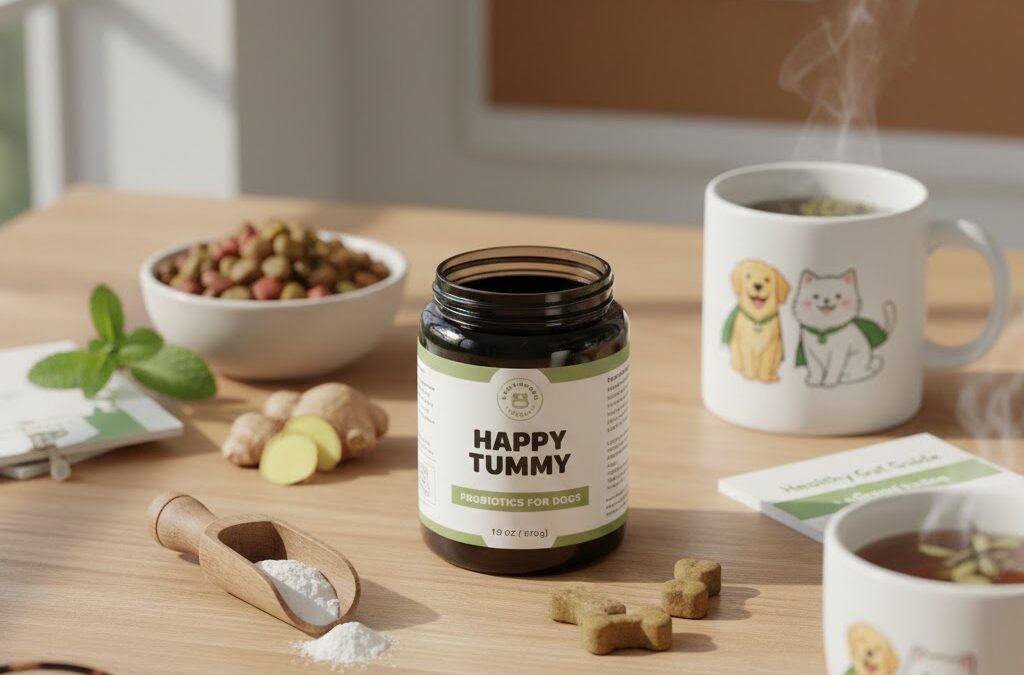
If your dog has ever refused food, had sudden loose stools, or made those uncomfortable stomach noises at night, you already know how stressful digestive issues can be. Sensitive stomachs are more common than most pet parents realize, and they rarely show up with a clear warning sign.
One day, everything seems fine. The next day, your dog is uncomfortable, restless, or constantly running outside.
Digestive supplements often enter the picture at this stage. But do they actually help, or are they just another product with big promises?
Let us talk honestly.
What Does a Sensitive Stomach in Dogs Really Mean?
A sensitive stomach is not a disease. It is usually a sign that your dog’s digestive system struggles to handle certain foods, ingredients, or changes.
Common signs include:
- Frequent diarrhea or soft stools
- Gas and bloating
- Vomiting after meals
- Loss of appetite
- Excessive licking or discomfort
These issues can come from food intolerances, stress, antibiotics, aging, or sudden diet changes.
Digestive health impacts overall wellness, which supports mobility and joint health. Check out joint supplements for dogs to learn more.
How Digestive Supplements Support Gut Health
Digestive supplements are designed to support the gut rather than override it. When chosen correctly, they help restore balance inside your dog’s digestive system.
Most quality supplements focus on three main areas.
Probiotics
Probiotics introduce beneficial bacteria into the gut. These bacteria help break down food, improve nutrient absorption, and keep harmful microbes in check.
For dogs with sensitive stomachs, probiotics can help stabilize digestion over time rather than offering a temporary fix.
Prebiotics
Prebiotics act as food for good bacteria. Without them, probiotics struggle to survive and multiply.
This combination supports long-term gut balance, not just short-term relief.
Digestive Enzymes
Enzymes help your dog break down proteins, fats, and carbohydrates more efficiently. This reduces strain on the digestive system, especially in senior dogs or dogs with chronic issues.
An unhealthy gut can even affect stress levels, making calming supplements a great complement. Therefore, it is important to maintain gut health.
When Digestive Supplements Actually Help
Digestive supplements are most effective when:
- Your dog has recurring digestive upset
- Antibiotics have disrupted gut bacteria
- You are transitioning to a new diet
- Your dog experiences stress-related stomach issues
They are not instant cures. Most supplements need consistent use for a few weeks before noticeable improvement.
What to Look for in a Digestive Supplement
Not all supplements are created equal. A good digestive supplement should:
- List specific probiotic strains
- Avoid artificial colors and fillers
- Be appropriate for your dog’s size and age
- Come from a brand that explains sourcing and formulation
Powders and chewables are usually easier to administer than capsules, especially for picky eaters.
What Digestive Supplements Cannot Fix
This part is important.
Digestive supplements will not:
- Fix poor-quality diets
- Cure serious medical conditions
- Replace the veterinary diagnosis
If symptoms are severe or persistent, supplements should support treatment, not replace professional care.
Should Digestive Supplements Be Used Daily?
For many dogs with sensitive stomachs, daily use is safe and beneficial. Others may only need them during stressful periods or diet transitions.
The goal is balance, not dependence.
Always introduce supplements slowly and observe how your dog responds.
Are Digestive Supplements Worth It?
For dogs with sensitive stomachs, digestive supplements can significantly improve comfort, appetite, and stool quality. They are not magic, but when paired with proper diet and routine, they often make daily life easier for both dogs and pet parents.
Comfort is not a luxury. It is part of good care.
FAQs
- How long do digestive supplements take to work for dogs?
Most dogs show improvement within two to four weeks of consistent use.
- Can puppies take digestive supplements?
Yes, but only supplements formulated specifically for puppies or under veterinary guidance.
- Are probiotics safe for dogs long-term?
Yes, when used as directed and sourced from reputable brands.
- Should I stop supplements once my dog improves?
Some dogs benefit from continued use, while others only need them during flare-ups.
- Can digestive supplements be mixed with food?
Yes, most are designed to be added directly to meals.