Most pet parents do not ignore pet insurance because they do not care. They ignore it because it feels confusing, boring, or unnecessary. Especially when your furry companion looks healthy, playful, and perfectly fine.
But pet insurance rarely enters the conversation on a good day. It usually shows up on a stressful day, sitting inside a vet clinic, staring at an estimate you were not prepared for.
This is not a sales pitch. This is a simple breakdown of what pet insurance really means for your wallet and your peace of mind.
Why Pet Insurance Feels Like an Unnecessary Expense
On the surface, pet insurance feels like another monthly bill. You pay a fixed amount every month, usually anywhere between a small subscription cost and a premium service fee, depending on coverage. And in return, you get something abstract. Protection for something that might happen.
When nothing goes wrong, it feels like wasted money.
But that logic only works if vet care stays affordable. And that is no longer the reality in many parts of the world.
What You Actually Pay for Pet Insurance
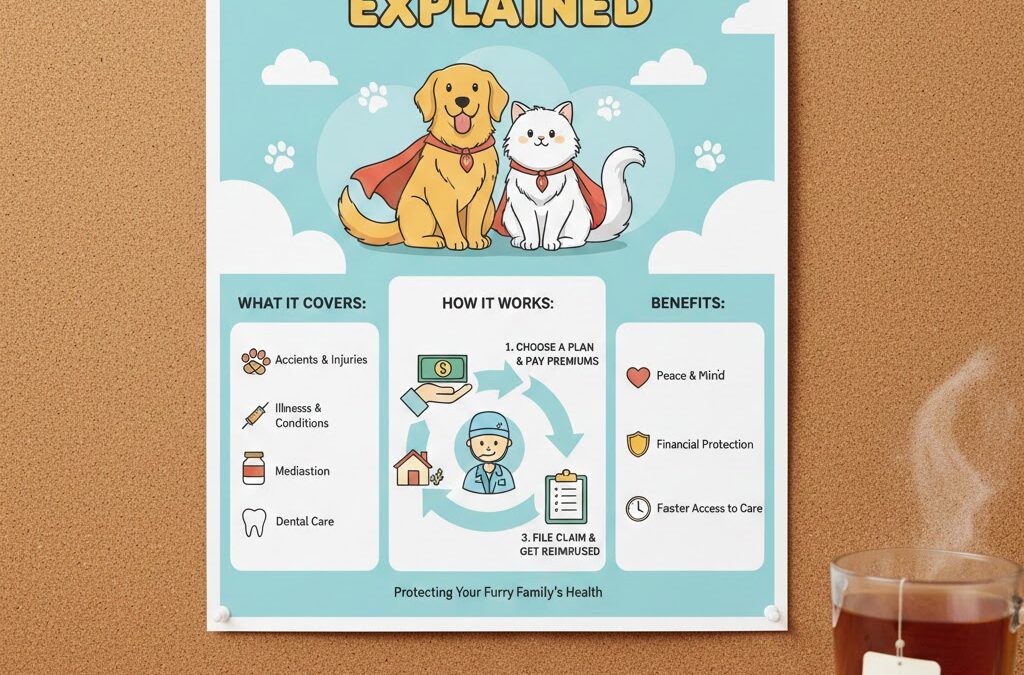
Most pet insurance plans involve three basic costs.
- First is the monthly premium. This depends on your pet’s age, breed, location, and coverage level.
- Second is the deductible, which is the amount you pay before insurance starts reimbursing you.
- Third is the reimbursement percentage, usually between 70 to 90 percent of eligible vet bills.
This structure often sounds complicated, but it works much like human health insurance. So, the real picture gets clear here.
Where Pet Insurance Starts Saving You Money
Routine checkups and basic vaccinations rarely justify insurance on their own. The real savings appear when unexpected health issues enter the picture.
Think about:
- Accidental injuries
- Emergency surgeries
- Chronic conditions
- Diagnostic tests like X-rays and blood work
These costs do not arrive gradually. They arrive all at once.
A single emergency visit can cost more than an entire year of insurance premiums. That is the moment pet insurance shifts from ‘optional’ to ‘relief’.
A Realistic Example of Pay vs Save
Imagine paying a moderate monthly premium for a year. The total feels manageable and predictable. Now imagine facing an unexpected surgery or long-term treatment without insurance. The cost is immediate, emotional, and often forces difficult decisions.
With insurance, you are not choosing between your savings and your pet’s health.
You are choosing treatment without panic. That difference is where the real value lies.
What Pet Insurance Does Not Cover
This part matters because disappointment usually comes from misunderstanding.
Most pet insurance plans do not cover:
- Pre-existing conditions
- Cosmetic procedures
- Breeding-related costs
- Preventive care, unless added separately
This is why enrolling early, before health issues appear, is critical.
Who Benefits Most from Pet Insurance?
Pet insurance makes the most sense for:
- Young pets enrolled early
- Breeds prone to genetic conditions
- Pet parents who prefer predictable expenses
- Households without emergency savings buffers
If you already have strong savings and a high tolerance for financial risk, insurance may feel less urgent. But for many families, it removes emotional stress from medical decisions.
Is Pet Insurance Worth It in the Long Run?
Here is the honest answer.
Pet insurance does not guarantee savings every year. Some years, you may pay more than you claim. Other years, it can save you thousands. The real return on investment is not just money. It is freedom from hesitation when your pet needs care.
That alone makes it worth considering.
FAQs
- When is the best time to buy pet insurance?
As early as possible, ideally when your pet is young and healthy.
- Does pet insurance cover emergencies only?
Most plans focus on accidents and illnesses, but some offer add-ons for routine care.
- Can I choose my own vet with pet insurance?
Many providers allow you to visit any licensed veterinarian.
- Is pet insurance different for dogs and cats?
Coverage is similar, but pricing and risk factors vary by species and breed.
- What happens if I never use my pet insurance?
You still gain financial predictability and peace of mind, even if claims are minimal.
Trackbacks/Pingbacks