
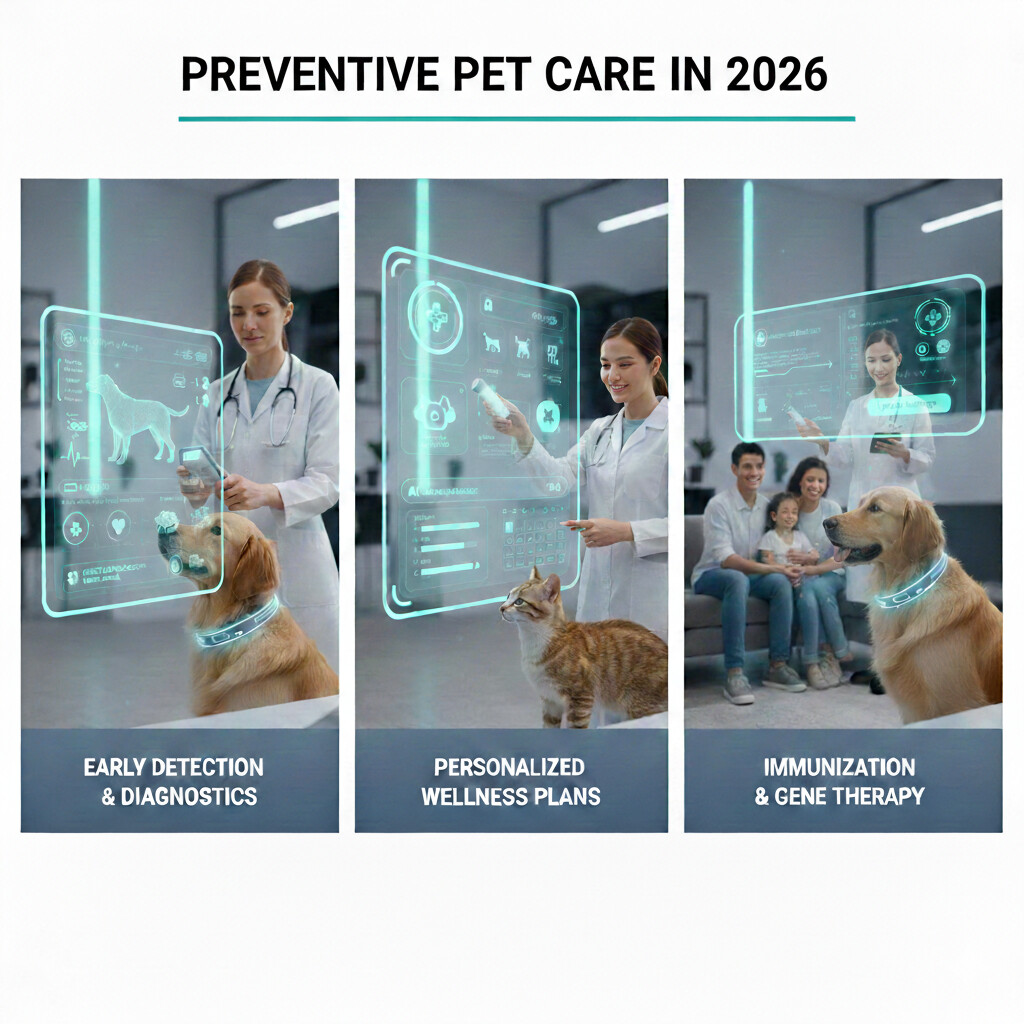
Prevention Is the New Savings Plan for Pet Parents
In 2026, being a responsible pet parent is no longer just about reacting when something goes wrong. It is about staying one step ahead. Vet care has advanced, treatments have improved, and pets are living longer lives. But with that progress comes rising costs. Emergency visits, surgeries, and long-term treatments can quickly become overwhelming if you are unprepared.
The good news is simple. Preventive pet care remains the most affordable, effective way to protect your pet’s health and your wallet. What may seem like small routine efforts today can save you thousands tomorrow.
This is where smart pet parents are shifting their mindset from crisis care to prevention-first care.
Why Annual Vet Check-Ups Are Non-Negotiable in 2026
Skipping yearly vet visits might feel like saving money, but in reality, it often leads to higher costs later. Annual check-ups help catch health issues before they turn serious. Vets can detect early signs of dental disease, weight problems, joint issues, heart concerns, or skin infections or flea and tick diseases long before symptoms become obvious.
In 2026, veterinary diagnostics are more precise than ever. Early detection often means simpler treatments, shorter recovery times, and significantly lower bills. A routine exam costs far less than emergency diagnostics or hospitalization.
Think of annual check-ups as insurance you actively use, not an expense you avoid.
Early Detection vs Emergency Treatment: The Cost Difference Is Real
There is a massive financial gap between treating a problem early and addressing it during an emergency. A minor ear infection caught early may require a short course of medication. Left untreated, it can progress into chronic pain, hearing loss, or surgery.
Emergency visits often come with higher consultation fees, urgent testing, overnight care, and emotional stress for both pets and pet parents. Preventive care allows you to plan financially instead of reacting under pressure. Moreover, it also helps to cut down on emotional stress for both you and your furry companion.
In 2026, the smartest savings strategy is avoiding emergencies wherever possible.
Pet Wellness Plans Are Becoming the Go-To Option
Many veterinary clinics now offer wellness plans that bundle preventive services into a monthly or annual fee. These plans often include exams, vaccinations, parasite prevention, dental checks, and basic diagnostics.
For pet parents, wellness plans bring predictability. You know what you are paying, when services are due, and what is covered. This approach spreads costs over time and reduces surprise expenses.
Wellness plans are especially valuable for young pets, senior pets, and multi-pet households looking to manage costs without compromising care.
Parasite Prevention Is Cheaper Than Treatment
Fleas, ticks, heartworms, and intestinal parasites are more than just a nuisance. They can cause serious health complications and lead to expensive treatments if ignored.
Preventive parasite care in 2026 is easier and safer than ever, with monthly chewables, topical treatments, and long-lasting solutions available. These preventatives cost a fraction of what it takes to treat parasite-related illnesses, anemia, skin infections, or organ damage.
Consistency is key. Preventing parasites year-round is far more affordable than treating infestations after they occur.
Vaccination Planning Should Be Personal, Not Generic
Vaccines protect pets from life-threatening diseases, but not every pet needs every vaccine. Modern preventive care focuses on customized vaccination schedules based on lifestyle, age, environment, and risk exposure.
Talking to your vet about tailoring your pet’s vaccination plan helps avoid unnecessary treatments while ensuring essential protection. This balanced approach keeps pets safe and reduces avoidable medical costs.
Preventive care is not about doing more. It is about doing what is right.
Real-Life Cost Comparison: Prevention vs Treatment
A routine annual check-up with basic preventive care may cost a few hundred units annually. Compare that to emergency surgery, hospitalization, or long-term medication, which can run into thousands within days.
Dental cleanings, parasite prevention, and early screenings may feel optional, but they often prevent chronic illnesses that require lifelong management. In 2026, preventive care is no longer optional for pet parents who want long-term affordability.
Prevention Builds on the Budgeting Mindset
If you read Part 1 of this series, you already understand the importance of budgeting for pet care. Preventive care fits perfectly into that mindset. It allows you to plan expenses, reduce surprises, and make informed decisions instead of rushed ones.
Prevention is not about spending more. It is about spending wisely.