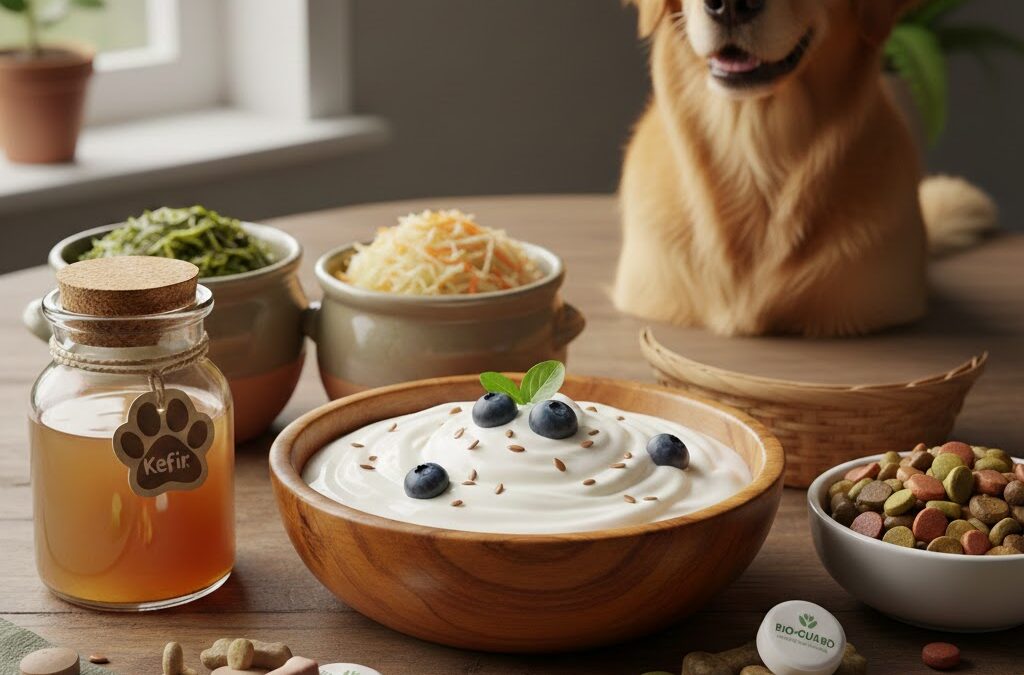
As we move into 2026, probiotics have become one of the most trusted tools for supporting canine gut health naturally. But with so many options available, choosing the right one can feel overwhelming.
This guide breaks down the top 5 probiotics for your dog’s gut health you shouldn’t miss in 2026, along with safety tips and expert-backed insights to help you make the best decision for your furry companion.
Many pet parents notice digestive problems after antibiotic treatments, diet changes, stress, or travel. In real-life situations, dogs may seem fine on the outside but show subtle signs like irregular stools, itching, or low energy. These are often linked to an imbalance of gut bacteria—something probiotics are designed to fix gently and effectively.
Why Gut Health Matters for Dogs
A healthy gut supports:
- Proper digestion and nutrient absorption
- Strong immune system (nearly 70% of immunity starts in the gut)
- Reduced allergies and skin issues
- Better mood, energy, and overall well-being
Veterinary research consistently shows that dogs with balanced gut flora experience fewer digestive upsets and recover faster from illness.
Top 5 Probiotics for Your Dog’s Gut Health in 2026
1️⃣ Purina Pro Plan Veterinary Probiotics (FortiFlora)
Why it stands out:
One of the most vet-recommended probiotics worldwide.
Key Benefits:
- Contains Enterococcus faecium, a proven canine strain
- Supports diarrhea management and digestive balance
- Enhances immune response
Best for:
Dogs with frequent diarrhea, stress-related gut issues, or post-antibiotic recovery.
2️⃣ Nutramax Proviable-DC Probiotics
Why it stands out:
Multi-strain formula with seven beneficial bacterial strains.
Key Benefits:
- Supports acute and chronic digestive issues
- Helps restore gut flora quickly
- Often prescribed by veterinarians
Best for:
Dogs with sensitive stomachs or recurring gastrointestinal problems.
3️⃣ Zesty Paws Probiotic Bites
Why it stands out:
A tasty, chewable option ideal for picky eaters.
Key Benefits:
- Contains six probiotic strains plus prebiotics
- Supports digestion, immunity, and skin health
- Easy daily administration
Best for:
Daily gut maintenance and dogs that refuse powders or capsules.
4️⃣ Native Pet Probiotic Powder
Why it stands out:
Clean, minimal ingredients with no artificial additives.
Key Benefits:
- Soil-based probiotics that survive digestion
- Supports stool consistency and immune health
- Grain-free and allergy-friendly
Best for:
Dogs with food sensitivities or allergies.
5️⃣ VetriScience Vetri Mega Probiotic
Why it stands out:
Combines probiotics with digestive enzymes.
Key Benefits:
- Supports digestion and nutrient absorption
- Helps reduce gas and bloating
- Balanced formula for long-term gut health
Best for:
Senior dogs or dogs with slower digestion.
What Vets Say About Probiotics?
Veterinarians emphasize that probiotics are not just for digestive upset—they are an essential preventive tool. Probiotics help maintain microbial balance, especially during stress, illness, dietary changes, or antibiotic use.
Safety First: How to Use Probiotics Correctly
- Choose dog-specific probiotic strains
- Follow dosage instructions based on weight
- Introduce gradually to avoid mild gas or bloating
- Store supplements as directed
- Stop use and consult a vet if symptoms worsen
Never give human probiotics to dogs unless approved by a veterinarian.
Final Thoughts
Your dog’s gut health affects far more than digestion—it influences immunity, energy, skin, and overall happiness. Choosing the right probiotic in 2026 can make a noticeable difference in your dog’s quality of life.
Consistency, quality ingredients, and veterinary guidance are key. When in doubt, always consult your vet and choose supplements designed specifically for canine needs.
A healthy gut means a healthier, happier dog.
Frequently Asked Questions About Probiotics for Dogs
Q1. How long do probiotics take to work in dogs?
Most dogs show improvement within 1–3 weeks, depending on consistency and severity.
Q2. Can puppies take probiotics?
Yes, but only vet-approved formulations designed for puppies.
Q3. Are probiotics safe for long-term use?
Yes. Many vets recommend daily probiotic supplementation for ongoing gut health.
Q4. Do probiotics help with allergies?
A healthy gut can reduce inflammation and improve immune balance, which may help manage allergy symptoms.