
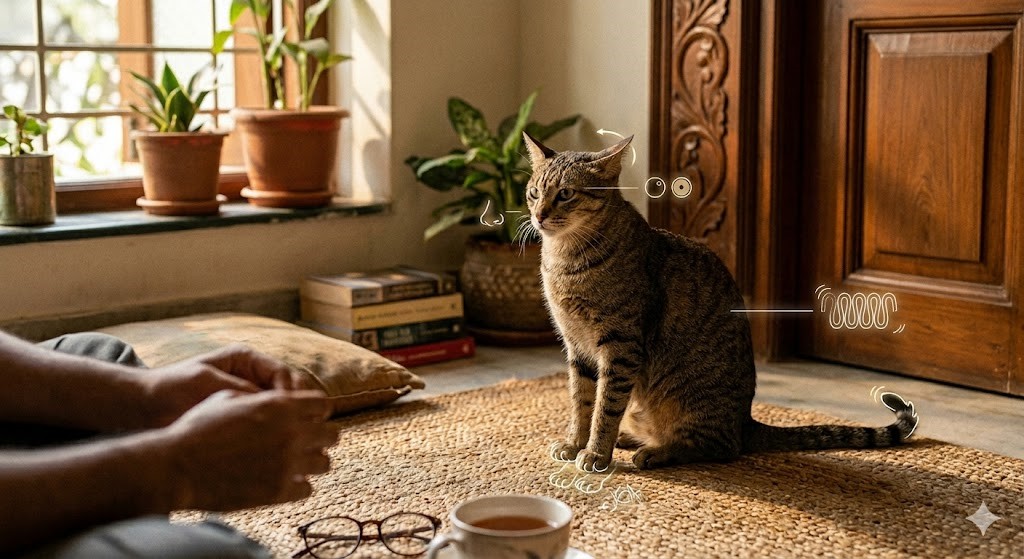
If you share your home with a cat, you already know they’re masters of mystery. One minute, they’re chasing shadows, the next, they’re curled up like a perfect cinnamon roll. But that same quiet, self-contained nature hides something less adorable: cats are experts at concealing pain. In the wild, looking weak can mean becoming prey, and domestic cats haven’t lost that instinct.
The trouble is, when our furry companions mask discomfort, we may not notice a brewing health problem until it’s serious. The good news? With a little detective work—and a dash of daily observation—you can catch early warning signs long before a trip to the emergency vet.
First, Know Their ‘Normal’
Think of your cat as a beautifully complex system. To spot change, you need a baseline. How much do they usually eat? How heavy does their water bowl feel in the morning? When you scoop the litter box, how many clumps are typical? These small details create a snapshot of normal life.
Spend a few minutes each day noticing—and maybe jotting down—those patterns. A quick phone note works just fine. Over time, you’ll start to recognize subtle shifts that could signal something more than a quirky mood.
The Little Clues That Matter
Once you know what’s normal, the quiet signs of trouble stand out. Maybe your usually playful cat is suddenly sleeping all day, or the litter-box clumps seem bigger than usual. Perhaps the coat that once shone like polished silk now looks greasy or unkempt. Even a slight change in meow—softer, raspier, or more frequent—can mean something’s off.
None of these hints screams ‘emergency’ by itself, but together they paint a picture your vet will want to see. Increased thirst and urination, persistent mild vomiting, or an unexplained weight drop are especially worth a quick call.
Turn Observation into Action
Here’s where a simple health diary becomes your best tool. Each day, note food and water intake, litter-box activity, and any unusual behaviors. Weigh your cat weekly if possible—just hold them and step on the scale, then subtract your own weight. This small habit can catch issues like kidney disease or diabetes months earlier than a routine exam.
And speaking of exams, remember that even indoor cats benefit from yearly veterinary checkups. A professional eye, paired with your daily notes, creates a powerful early-detection team.
When to Pick Up the Phone
Of course, some changes can’t wait. Difficulty breathing, refusal to eat or drink for more than a day, repeated vomiting, or sudden collapse all mean it’s time to call the vet immediately. Mild appetite dips or a single hairball incident might warrant a day of watchful waiting, but if your gut says “this isn’t right,” trust it. You know your cat best.
A Healthier Tomorrow Starts Today
Catching silent illnesses isn’t about becoming a worrier; it’s about becoming an attentive companion. By tuning in to your cat’s everyday rhythms and acting on small changes, you’re giving them the gift of early care—and yourself the peace of mind that you’re doing everything you can.
So pour that cup of coffee, give the litter box a quick glance, and take a mental note of your feline friend’s habits. Those quiet observations today could mean many more playful, purring tomorrows.